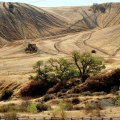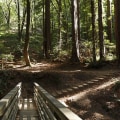
Alameda County isn’t just home to urban centers and suburban communities—it’s also a vibrant network of parks, nature preserves, and educational programs that offer immersive outdoor experiences for all ages. Whether it’s a school field trip to the Sunol Regional Wilderness or a weekend hike through Redwood Regional Park, the county’s park system is designed to help residents discover the rich ecological heritage right in their backyard. With ecosystems ranging from oak woodlands and rolling grasslands to freshwater creeks and coastal scrub, Alameda County’s parks serve as living classrooms where nature speaks louder than textbooks.
Hands-On Environmental Education
Many of the most impactful learning moments in these parks happen through hands-on educational programs. The East Bay Regional Park District (EBRPD), which manages most of the area’s open spaces, offers structured programming for schools, families, and community groups. Naturalist-led programs at sites like Ardenwood Historic Farm and Coyote Hills Regional Park blend environmental science with history, giving visitors a chance to explore Native American heritage, observe migratory birds, and learn about habitat restoration. These programs are crafted to align with California education standards, making them both engaging and academically enriching. Children don’t just hear about water cycles—they see it happening in restored wetlands. They don’t just read about native wildlife—they track animal prints in the dirt and identify scat. The physical experience makes the knowledge stick in ways traditional classrooms can’t always achieve.
Discovery Through Play and Exploration
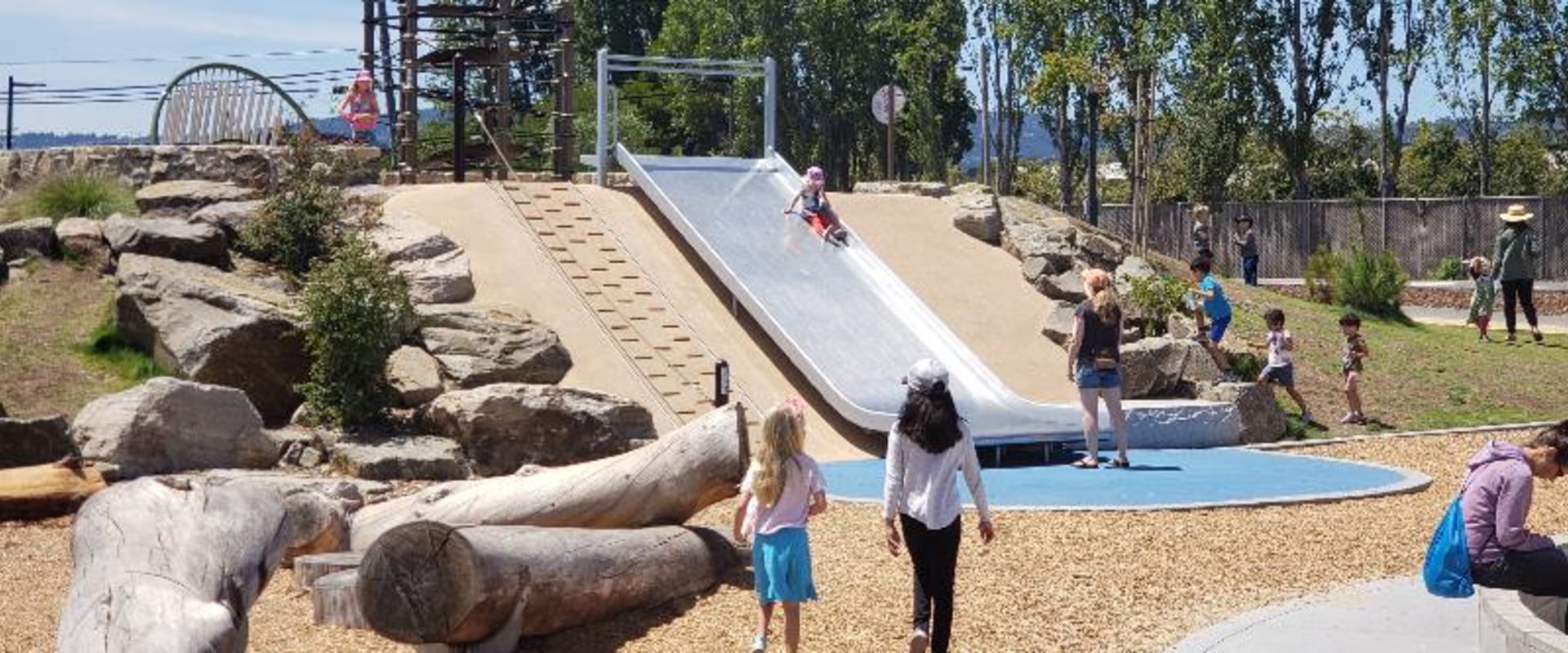
For younger children and families, Alameda County parks offer discovery zones, interpretive centers, and junior ranger programs designed to ignite curiosity. At the Crab Cove Visitor Center in Alameda, interactive exhibits teach kids about marine life, tides, and estuary ecosystems. Meanwhile, park-sponsored nature play areas encourage unstructured outdoor exploration—rolling logs, climbing rocks, and digging in the dirt. This kind of play isn’t just fun; it’s developmental. It strengthens observation skills, builds environmental empathy, and promotes physical wellness. It’s no surprise that even people in careers seemingly far removed from nature, like those in aesthetics or health services, say, Danville plastic surgery professionals—endorse the mental and physical benefits of regular time spent outdoors.
Connecting Communities to Conservation
One of the most powerful aspects of Alameda County’s park system is its commitment to community outreach and accessibility. Free shuttle programs to regional parks, multilingual signage, and culturally inclusive programming are just a few ways the district ensures that all residents—regardless of income or background—can access the natural world. Events like nature festivals, creek clean-ups, and guided night hikes help foster a sense of shared stewardship. These events also create entry points for those who may be new to hiking or exploring the outdoors, allowing people to build comfort and confidence while connecting with nature and neighbors alike.
Nature as a Lifelong Teacher
Ultimately, the parks of Alameda County are more than scenic spaces—they’re dynamic educational resources. By blending structured programs, self-guided discovery, and community connection, they nurture a lifelong relationship with the outdoors. Whether you’re a fourth grader holding a salamander for the first time, a teen learning about climate change through restoration work, or an adult recharging with a morning hike, the experience is both personal and transformative. The best lessons don’t always happen in a classroom—and in Alameda County, they often begin on a trail.